

Reproduction, Sex and Dwarf Males in the Barnacle Scalpellum scalpellum
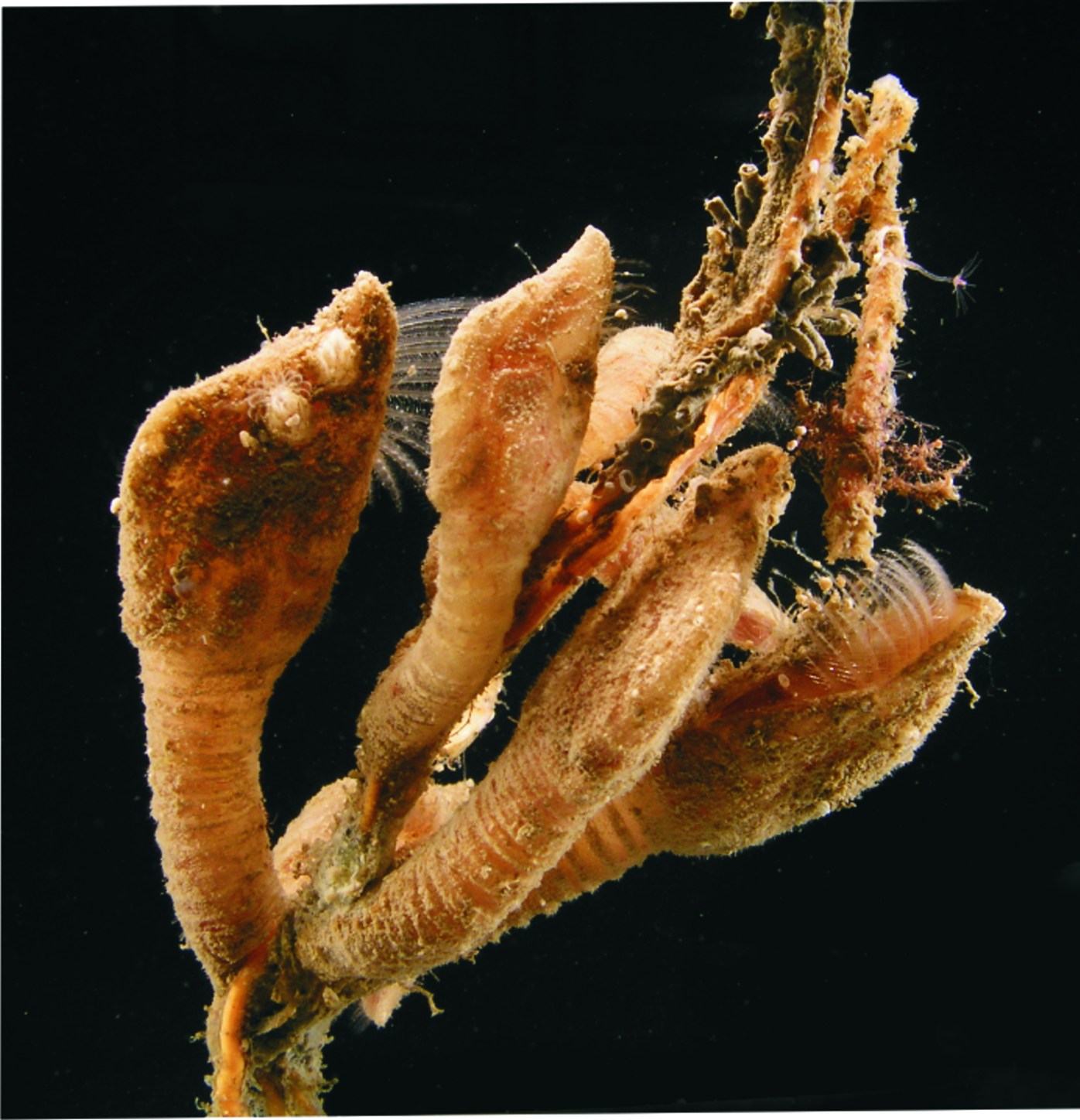
We use Scalpellum scalpellum to investigate the reproduction in a barnacle with androdioecy. Dwarf males and hermaphrodites differ significantly within hours after settlement, with males have a terminal morphology unequal to any stage in hermaphrodites. All cypris larvae can become hermaphrodites. Sex determination is by environmental factors, since development into dwarf male happens only when cyprids attach in preformed receptacles on the large hermaphrodite partner. The males become sexually mature within 14 days after attachment, opposed to hermaphrodites requiring one year. The males have a unique penis structure made solely of cuticle and very different from the one is used by hermaphrodites. During mating, male and hermaphrodites interact intimately with each other. By comparing allocation of male resources in single and gregariously situated hermaphrodites we show that the studied population conforms to predictions from sex allocation theory. We discuss all this in the context of evolution of reproductive systems.
Read the full article, here